Contents
The swallowtail, Papilio machaon, is a large yellow and black butterfly of the family Papilionidae, named for the tail-like extensions on its hindwings. Carl Linnaeus named the species in 1758, and it serves as the type species for the whole genus Papilio. The name honours Machaon, a figure in Greek mythology and son of Asclepius in the works of Homer; the butterfly is also known as the Old World swallowtail or the common yellow swallowtail. The species occurs across Europe and Asia, with further populations in Canada, Alaska and California2, occupying both the Old World and the New World, and around forty-one subspecies1 have been described across that range, from Russia to Japan and across North America.
Identification
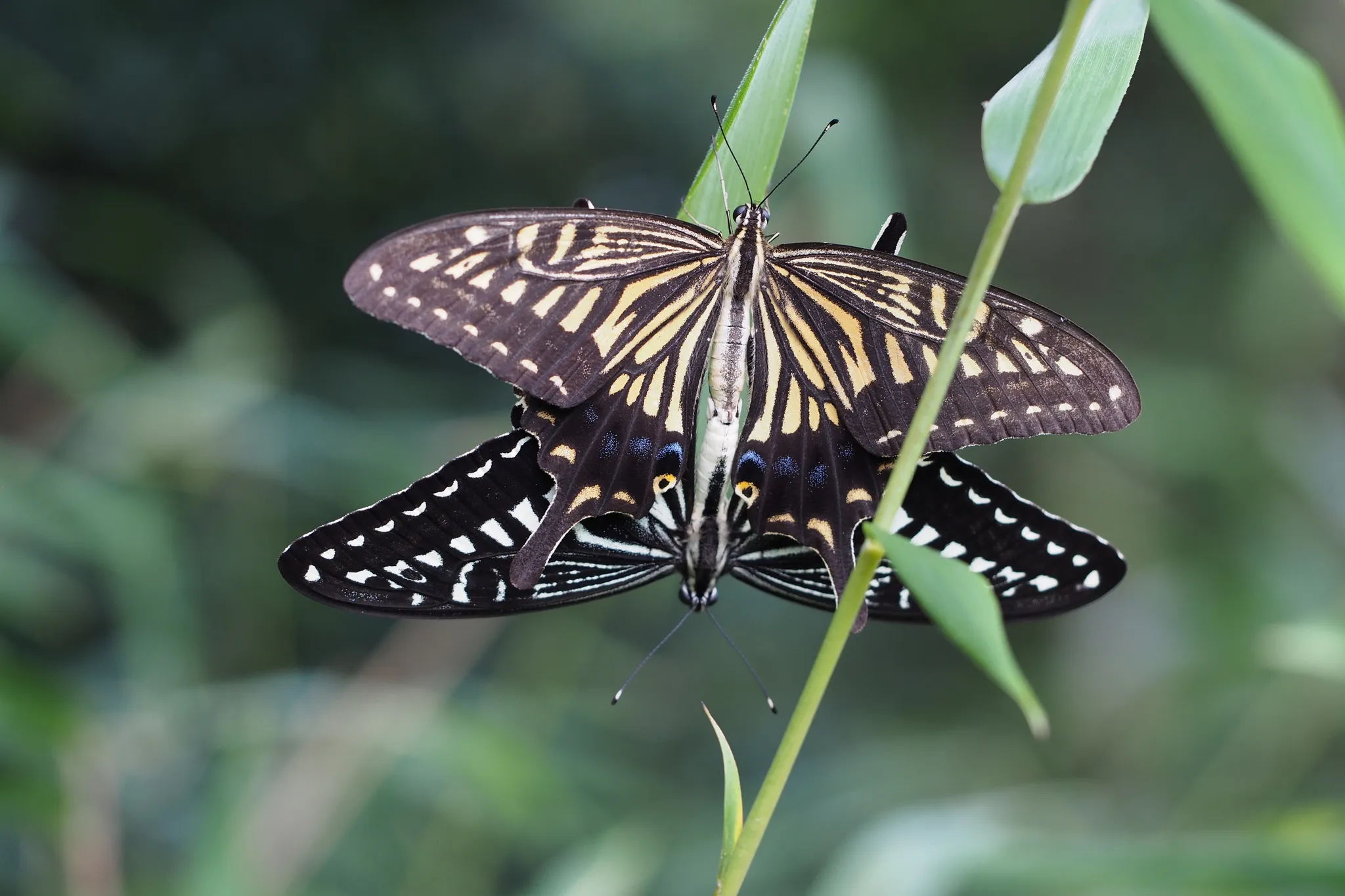
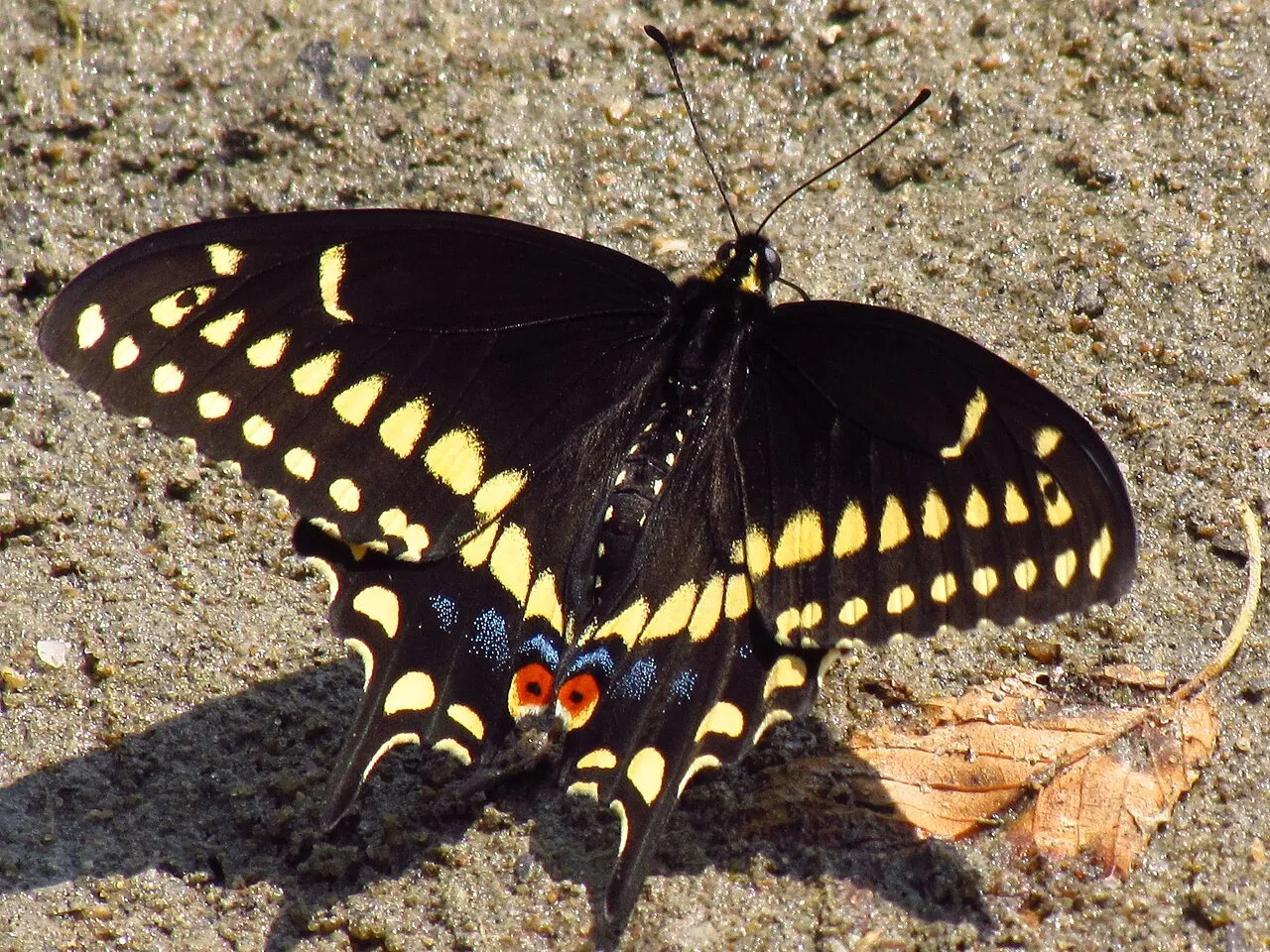
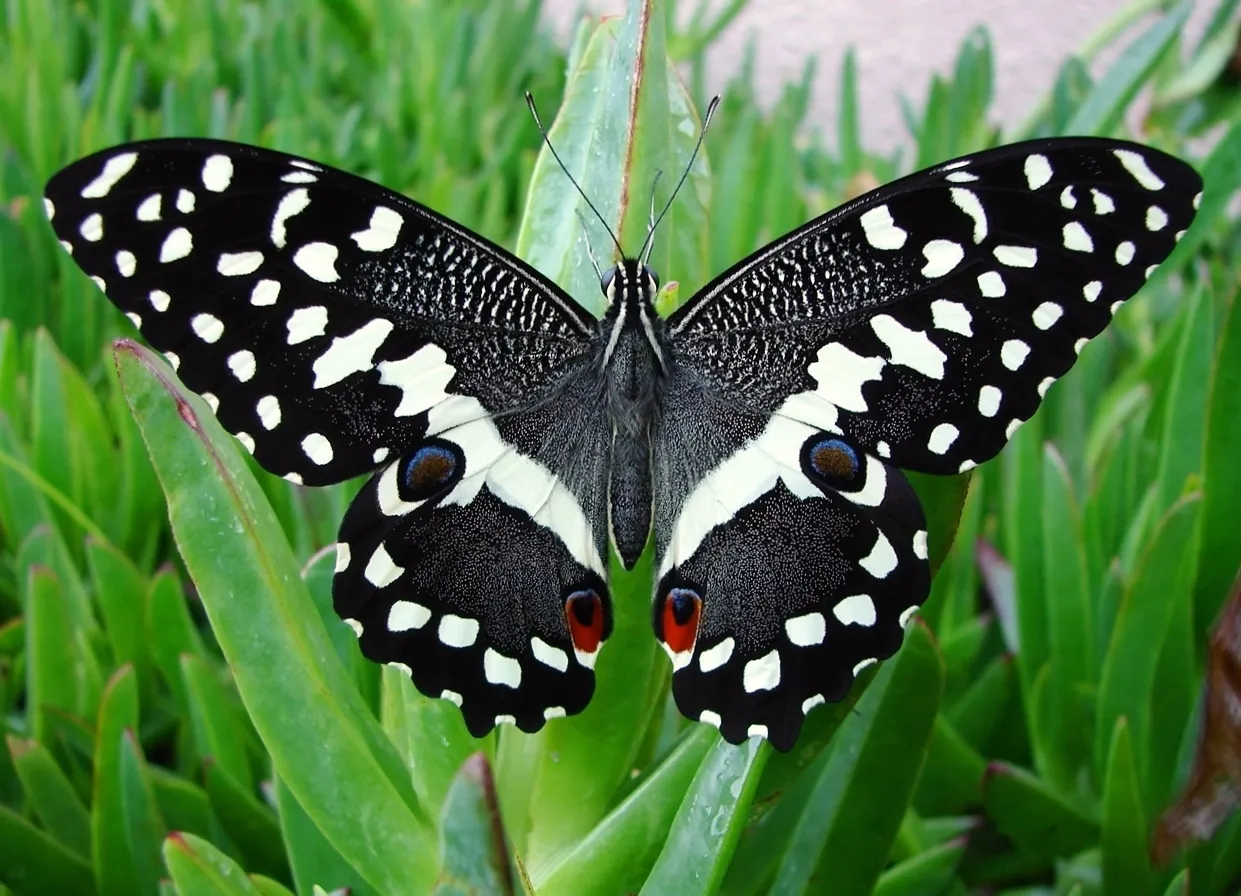
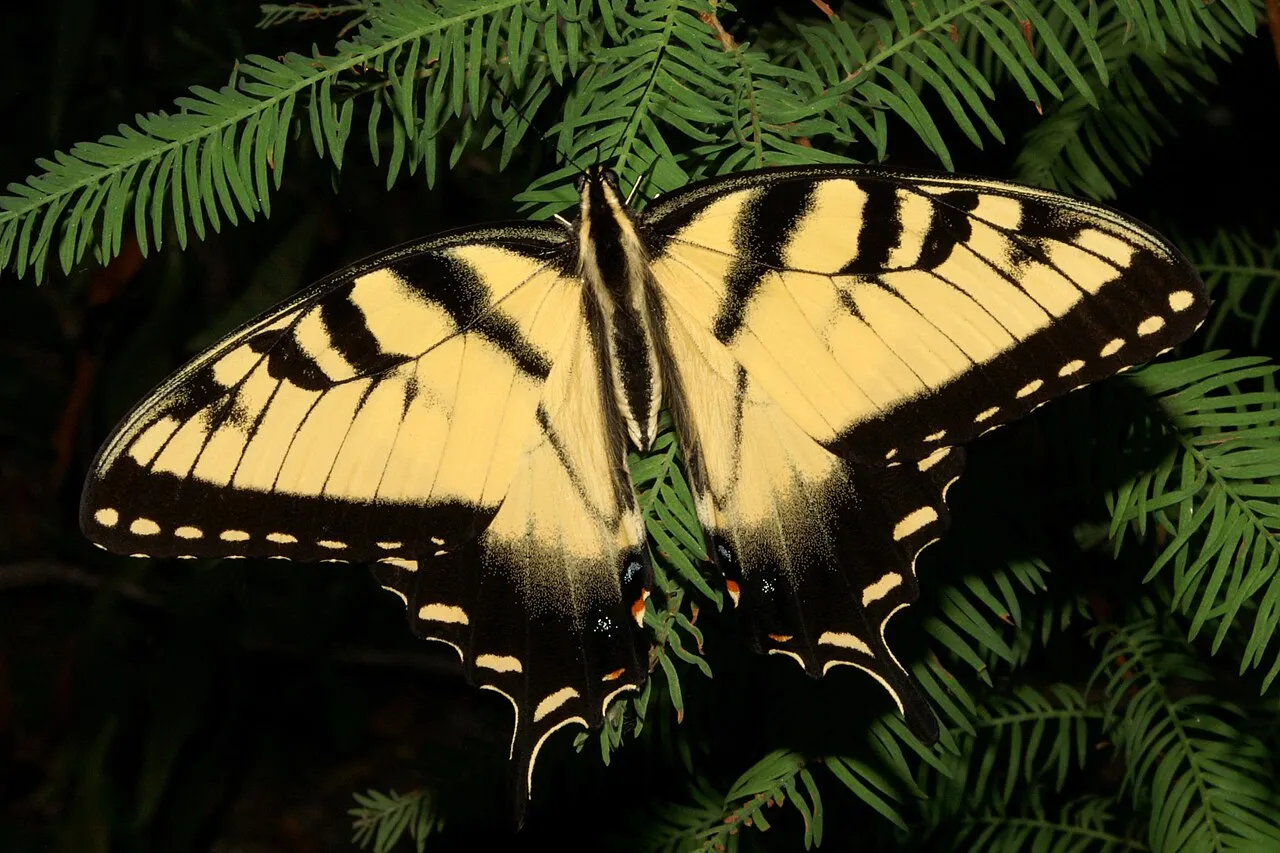
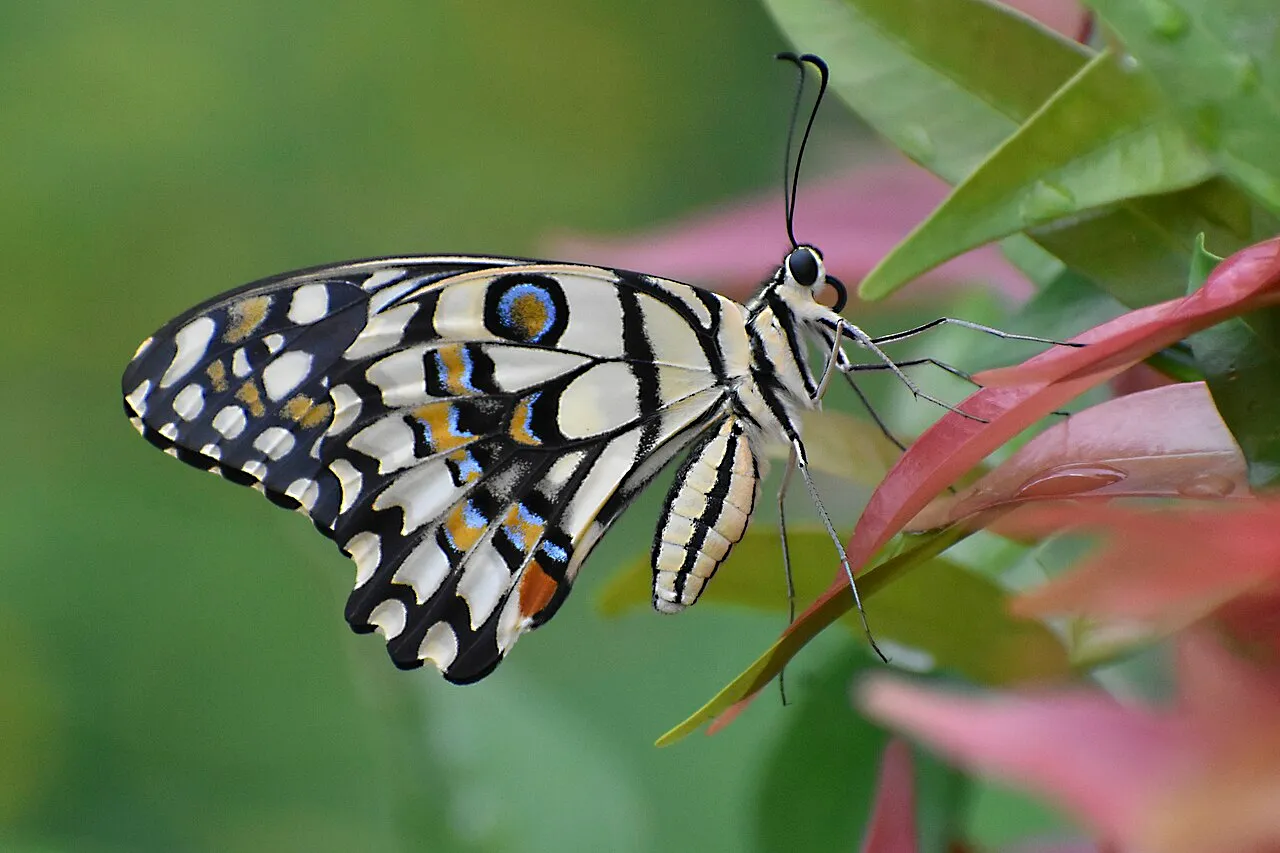
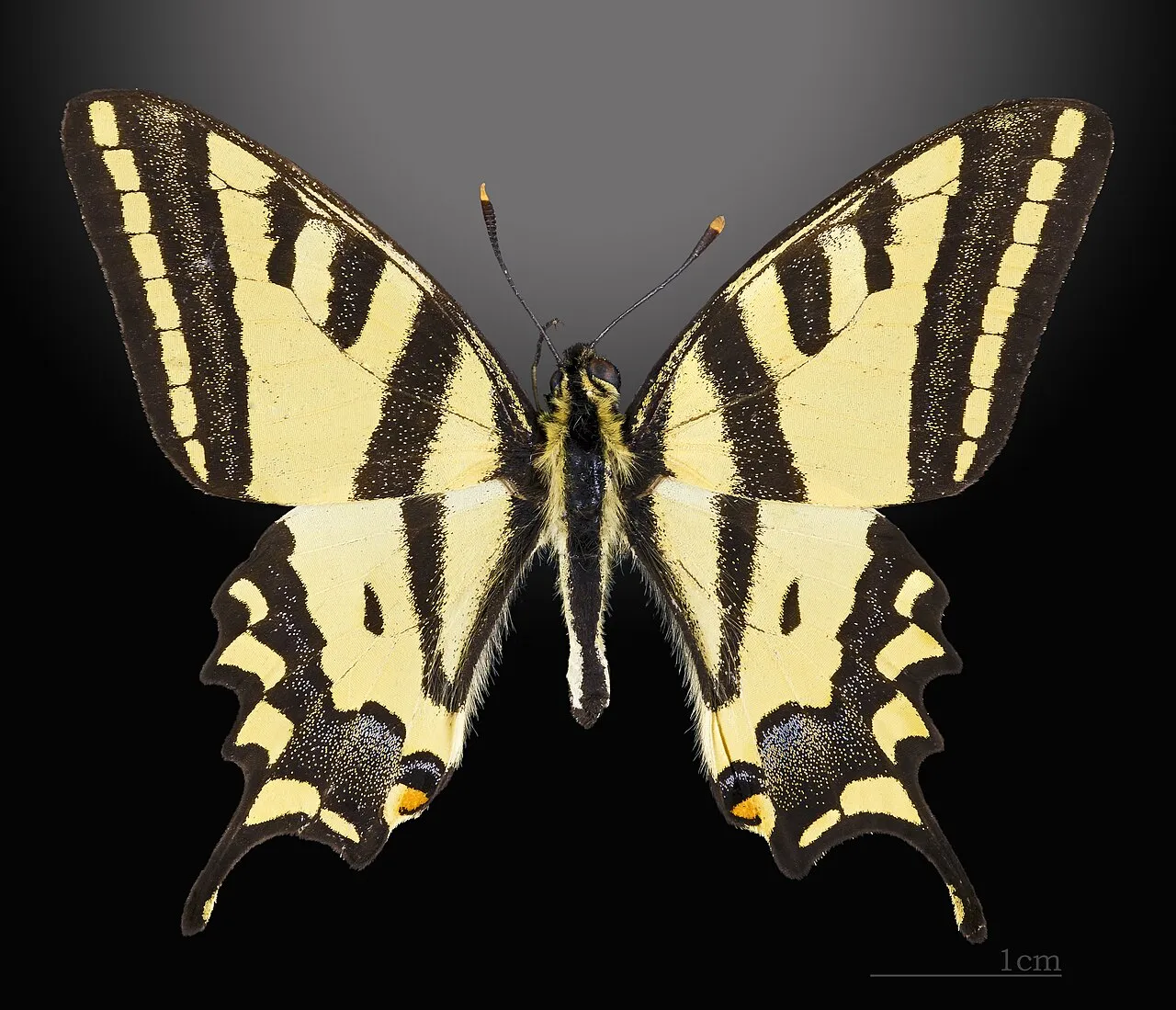
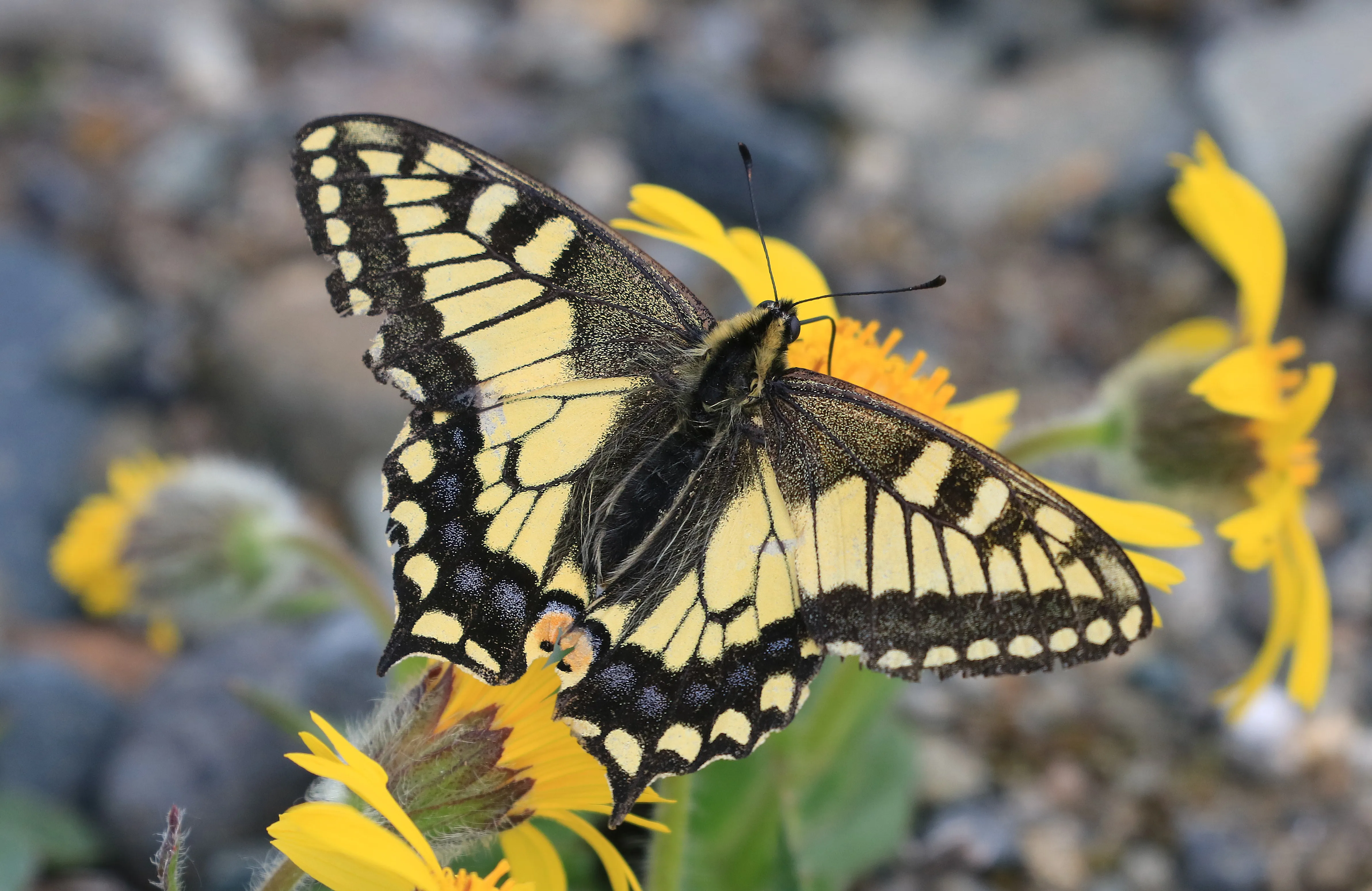
This is a fairly large butterfly, with a wingspan of 55 to 88 mm, and some females growing even larger. The upperside is yellow with black vein markings, and each hindwing carries a protruding tail along with one red and six blue eyespots set just below it. Some individuals are melanistic, showing dark coloration in place of the usual yellow, and the species is polymorphic, meaning more than one distinct colour form can occur in the same population2. The pattern also varies by region: the British subspecies, P. m. britannicus, is confined to fenland in the Norfolk Broads3 and is darker than continental subspecies, with broader dark bands, while the continental subspecies P. m. gorganus is highly migratory by comparison1.
The caterpillar changes appearance as it grows, reaching about 45 mm in length by the time it pupates. A young caterpillar is patterned to look like a bird dropping, which camouflages it from predators, while an older caterpillar turns green with black and orange markings. If disturbed, it can evert an osmeterium, a retractable, fleshy forked projection behind the head1 that releases a foul smell; this deters insect predators but not birds. In the British subspecies the organ is bright orange and smells like rotting pineapple3.
Range and habitat
The swallowtail’s range spans two biogeographic regions at once: it is found through the Palearctic region of Europe and Asia and the Nearctic region of Canada, Alaska and California. Across that range it uses a broad mix of open habitats, living in grasslands, hilltops, tundra, forests and mountains in temperate, subarctic and Arctic regions, across a wide range of elevations, including the alpine meadows and hillsides it frequents. NatureServe rates it “Secure”, and the species as a whole is not considered threatened, though it is listed as vulnerable in South Korea, Austria and the former USSR1, each in its own national or regional Red Data Book. As an adult that visits flowers for nectar, the species can act as an effective pollinator2 within its habitats.
Life cycle and host plants
Caterpillars feed on milk parsley and other plants of the carrot family, Apiaceae. A young caterpillar eats the leaves; once it is older it switches to eating the flowers instead2. Adults feed on nectar.
Development runs through the usual four stages of a butterfly. Eggs hatch in about 8 days, and the caterpillar then passes through five instars over about 4 weeks before pupating. Estimates vary: the caterpillar stage can run 6 to 7 weeks, with the chrysalis stage lasting 2 to 24 weeks, most individuals entering it around August. The species overwinters as a chrysalis, which comes in two colour forms, greenish-yellow or brown with black markings3, on reed and other woody stems. The adult butterfly itself lives for only a few weeks after emerging. A female lays her spherical yellow eggs singly on a host plant and gives the eggs no further care. Where summers are short, the swallowtail fits in a single generation a year; where they are longer, it fits in two2.
Behaviour and flight period
Adults fly with a strong, flapping wingbeat. Flight timing tracks the length of the growing season: northern populations fly in a single period from May to July, while those in the south have two flights. Breeding also runs from May to July, and adults use hilltopping behaviour, gathering on high ground, to find mates2.