Contents
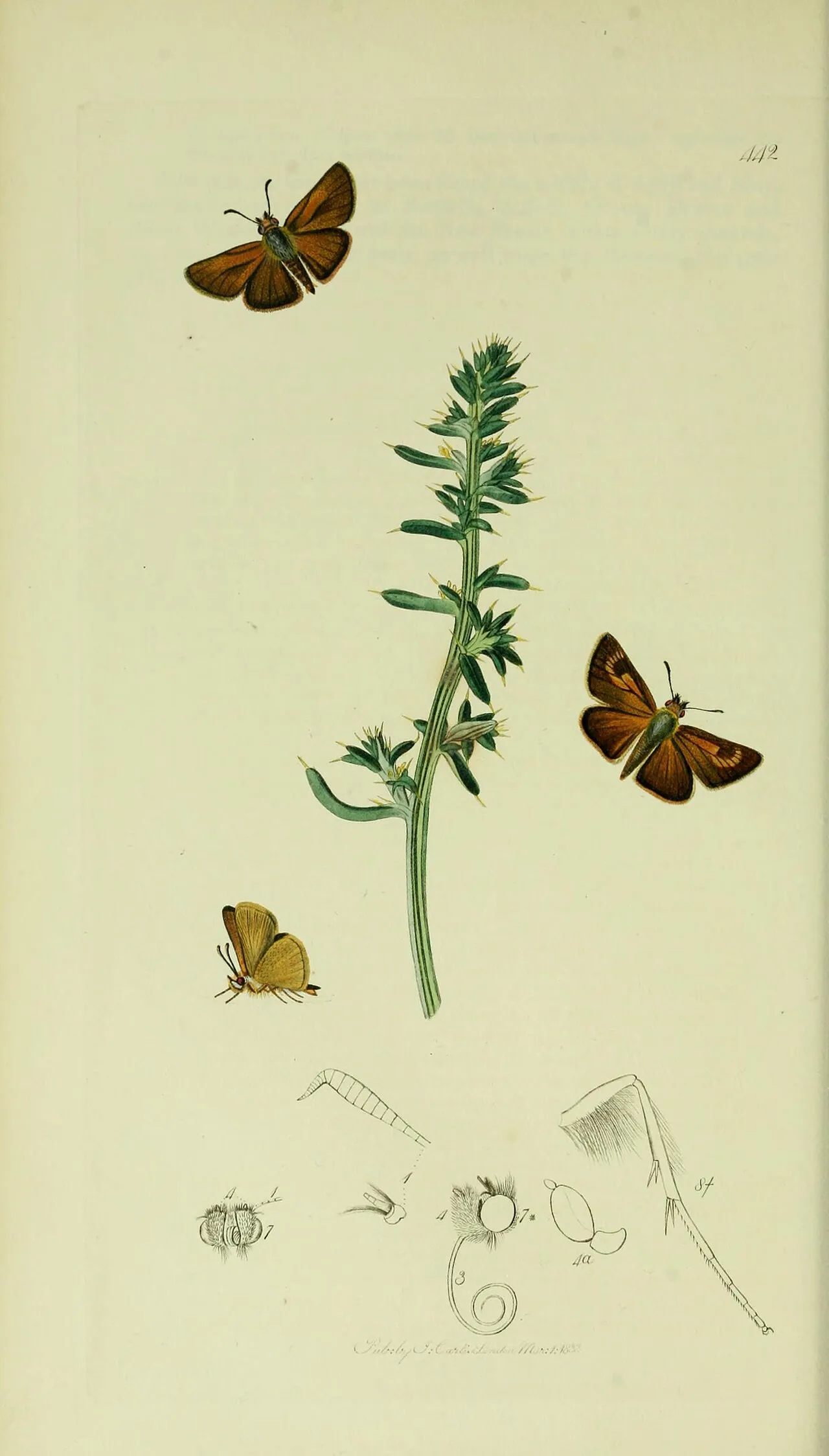
The Lulworth skipper, Thymelicus acteon, is a small golden-brown butterfly of the family Hesperiidae, named in Britain for the Dorset coast where it clings to a toehold at the northern edge of its range. It is found across central and southern Europe, Asia Minor and North Africa, but in Great Britain it is restricted to the southern Dorset coast, its northern range limit. Within that range it keeps to unfertilised calcareous grassland, including chalk downland, coastal grassland and undercliffs, with tall, ungrazed Tor-grass.
Identification
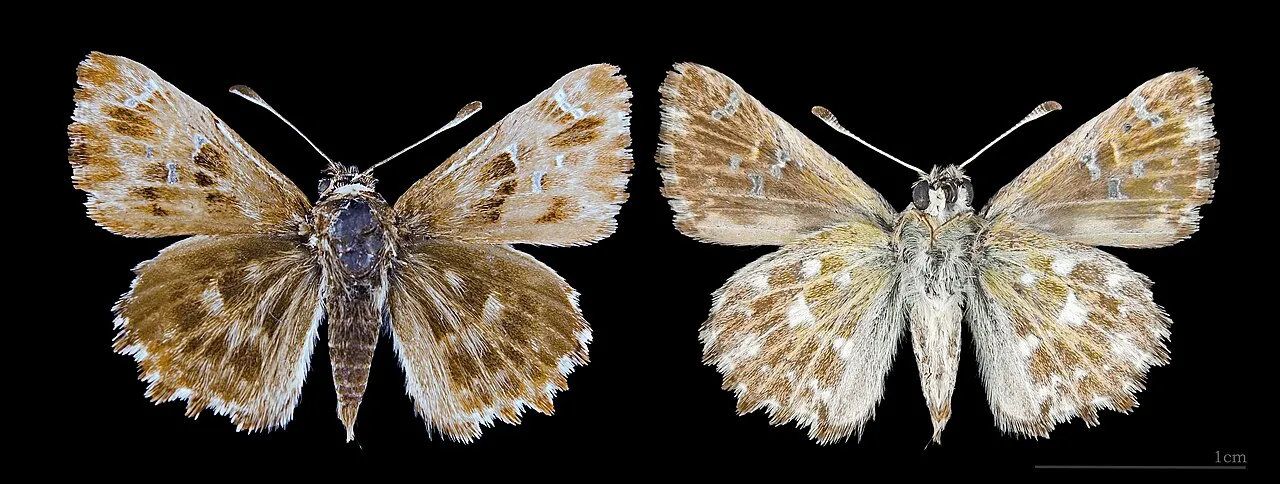
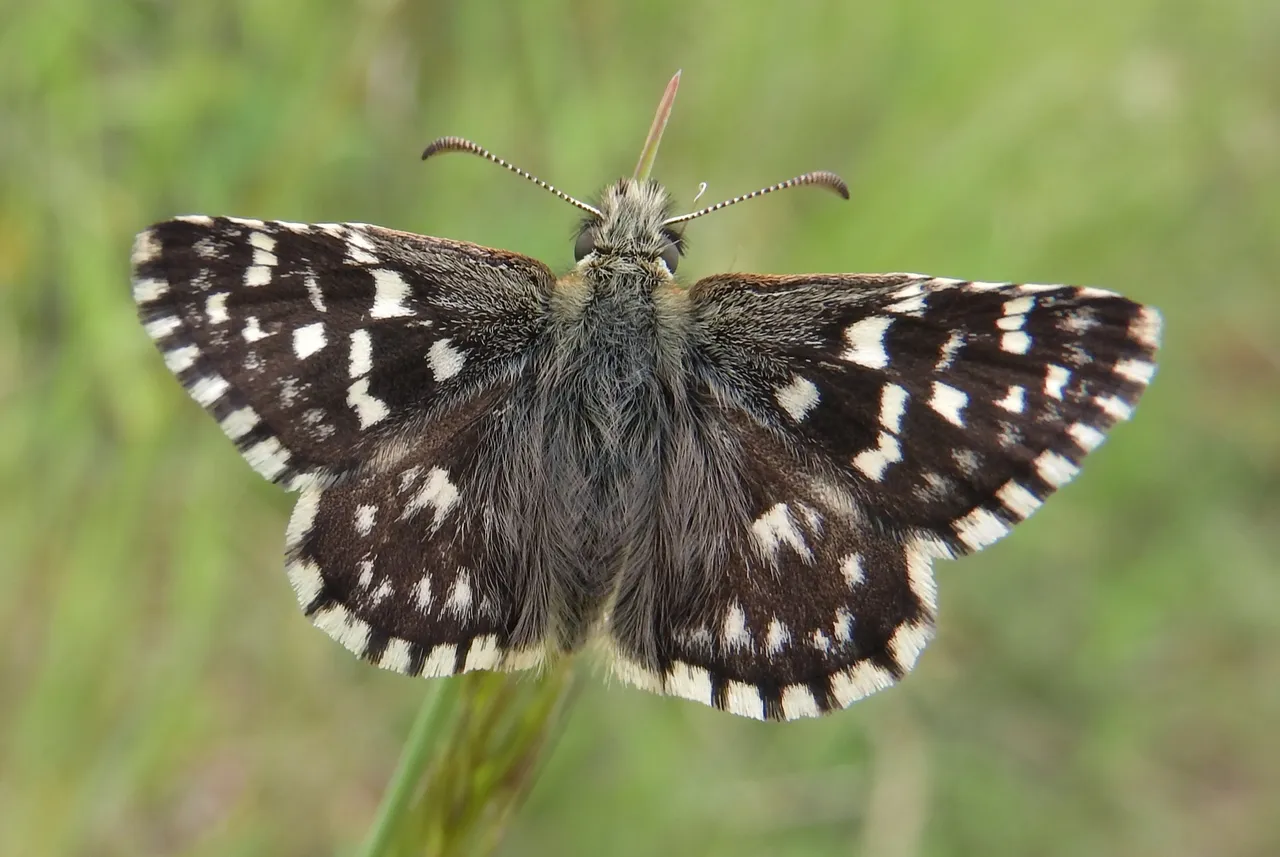
The wingspan runs 24–28 mm, making it slightly smaller than its close relatives the small skipper and Essex skipper. Like those golden skippers, it holds its wings swept back at an angle when at rest rather than flat or fully closed, and shares the same warm orange-brown colouring. The clearest field mark is a row of pale, cream-coloured spots on the upperside of the forewing, forming a faint arc that neither the small skipper nor the Essex skipper shows; females carry the spots more distinctly than males.
Range and habitat
Beyond its British outpost, the species ranges across central and southern Europe, Asia Minor and North Africa. It is tied closely to unfertilised calcareous grassland: chalk downland, coastal grassland and undercliffs, wherever tall, ungrazed Tor-grass grows. That dependence on one grass left uncut and unfertilised explains why the British population stays pinned to a short stretch of the Dorset coast even though the species ranges far more widely on the continent: suitable, unmanaged downland is scarce, and the butterfly rarely strays far from it.
Life cycle and host plants
The caterpillars feed on Tor-grass (Brachypodium pinnatum/rupestre), the species’ sole known larval food plant. The butterfly overwinters as a caterpillar low in the grass, resuming feeding the following spring, and completes a single generation each year.
Behaviour and flight period
In Britain the adults are on the wing from early-to-mid July to mid-September, later in the season than most other British skippers. Across its wider range the flight period stretches further, an extended single flight from late May to early September depending on the site. Like its relatives, it is most active in warm, still sunshine, settling low among grass stems and darting up only briefly, which keeps it easy to overlook away from the handful of sites where it is common.
Conservation
The species is listed by the IUCN under the category shown in the facts box, taken from its Wikidata record. In Britain its tiny range makes it vulnerable to any change in the management of its Dorset grassland, since the butterfly depends on one food plant surviving unfertilised and unmown; across the rest of its European and North African range it is far more widespread.
Similar species
- Small skipper (Thymelicus sylvestris): close in size and colour, but lacks the Lulworth skipper’s pale forewing spots and has a slightly larger wingspan.
- Essex skipper (Thymelicus lineola): also golden-brown and similar in size, told apart from both relatives by the black-tipped underside of its antennal club.
_Thymelicus_lineola_-_St_Foy_d'Aigrefeuille_-_France_-_male_ZAC1oH.webp)
_Thymelicus_sylvestris_-_Foret_de_Bouconne__France_-_male_Z1dCd98.webp)
_Z1PwpAL.webp)
_Ochlodes_sylvanus_-_Foret_de_Bouconne__France_-_male_73F1g.webp)